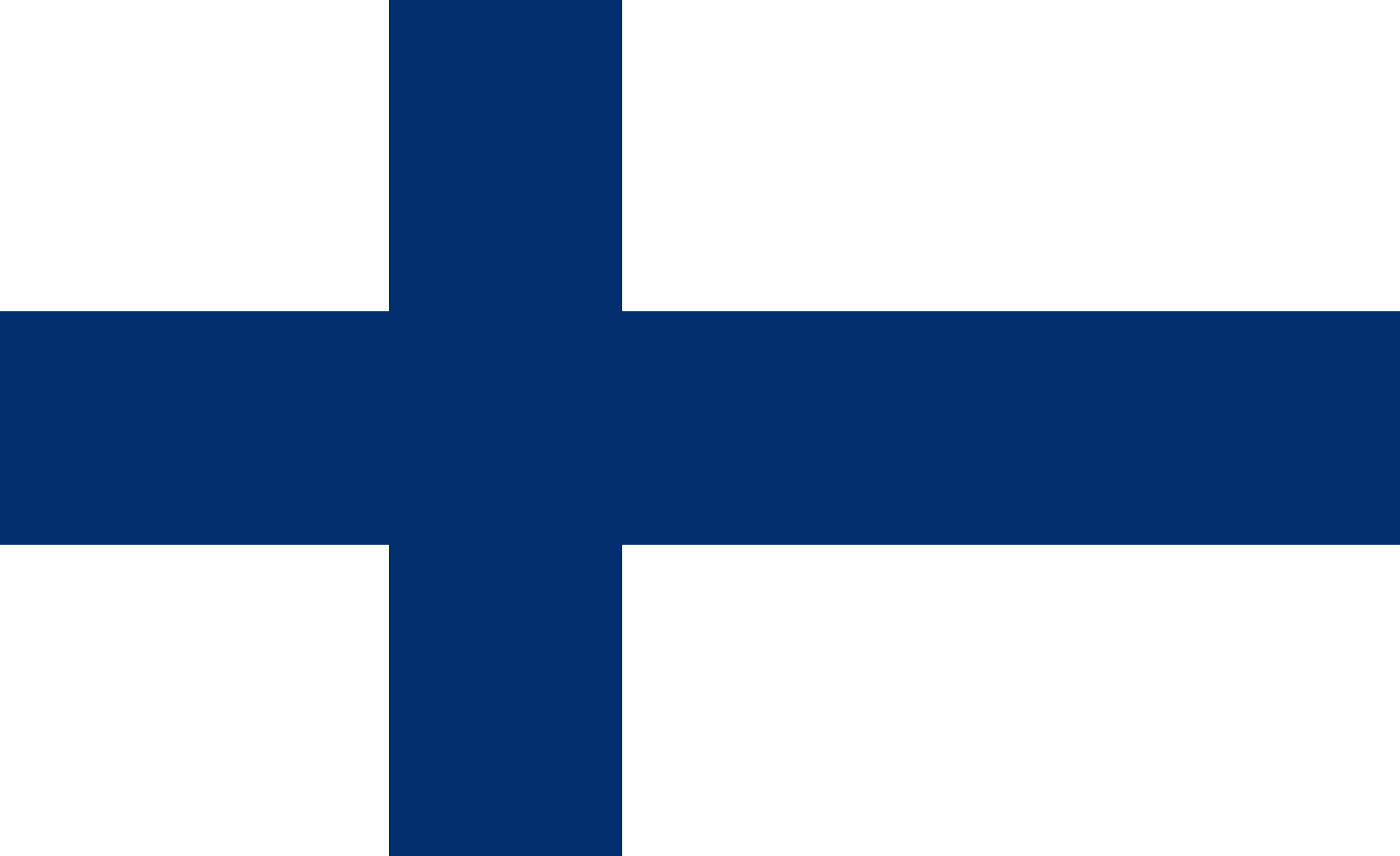
Finland and the European Union
Finland has been a member of the European Union since 1995. EU membership shapes Finnish legislation, economy, and international cooperation. Through the EU, Finland participates in shared decision-making on issues that go beyond national borders.
Finland’s EU membership
Finland joined the European Union in 1995 following a national referendum. Membership marked a significant step in Finland’s post-Cold War foreign policy and integration with Western Europe.
As a member state, Finland takes part in EU institutions and contributes to common policies and decisions.
Participation in EU decision-making
Finland participates in EU decision-making through several institutions. The Finnish government is represented in the Council of the European Union, where ministers negotiate and adopt EU laws.
Finnish citizens elect Members of the European Parliament, who represent Finland at the EU level. National authorities also take part in preparing EU legislation.
EU law and Finnish law
EU law has a direct impact on Finland. Many EU regulations apply automatically, while directives are implemented through national legislation.
Finnish authorities and courts are required to apply EU law in areas where the EU has competence. This ensures common rules across member states.
Benefits and obligations
EU membership brings both benefits and responsibilities. Finland benefits from access to the internal market, freedom of movement, and cooperation in areas such as research and security.
At the same time, Finland contributes to the EU budget and is expected to comply with jointly agreed rules and policies.
The EU in everyday life
EU membership affects everyday life in Finland in many ways. Consumers benefit from common standards, mobile phone roaming rules, and the ability to live, work, and study in other EU countries.
EU policies also influence areas such as environmental protection, food safety, and transport.